Save the date for the international conference “Orthodontic Jungle”!
The event will take place on 20–21 November 2026 at Grand Hotel Vilnius, Curio Collection by Hilton (Universiteto str 14, Vilnius)
This two-day conference will bring together orthodontic professionals from different countries to share knowledge, experience, and the latest ideas in modern orthodontics.
During the event, well-known speakers from across Europe will present a variety of important topics. The program will include discussions on space closure, aligner therapy, MARPE, digital orthodontics, skeletal anchorage, and many other clinical challenges faced in everyday practice.
Participants will learn about practical treatment solutions, new technologies, and different approaches to complex cases. The conference will also include interactive sessions and round table discussions, giving attendees the chance to ask questions and exchange insights with experts.
In addition to the scientific program, guests will have opportunities to network with colleagues and enjoy a friendly and inspiring atmosphere, including a conference dinner.
Registration: https://tickets.paysera.com/en/event/orthodontic-jungle
20 November 2026
08:00 – 09:00 Registration
09:00 – 09:45 Missing lower 2nd premolars +.
Jörg Glockengießer (Austria)
09:45 – 10:30 Mind the Gap – Orthodontic Space Closure in Agenesis.
Morten G. Laursen (Denmark)
10:30 – 11:00 Coffee Break
11:00 – 11:45 Miniscrew-Assisted Palatal Expansion Combined with Clear Aligner Therapy: Clinical Outcomes and Treatment Integration.
Vincenzo D’Anto (Italy)
11:45 – 12:30 The compromised dentition and the „wisdom” of extractions.
Cesare Luzi (Italy)
12:30 – 13:30 Lunch
13:30 – 14:15 The forgotten jaw: 20 years of experience with mandibular TADs.
Cesare Luzi (Italy)
14:15 – 15:00 The role of orthodontics in the treatment of gingival recession. Morten G. Laursen (Denmark)
15:00 – 15:30 Coffee Break
15:30 – 16:15 Fixed retention in the digital era.
Jörg Glockengießer (Austria)
16:15 – 17:00 Class II Malocclusion Treatment with Clear Aligners: From Growing to Adult Patients — Clinical Outcomes and Biomechanical Consideration.
Vincenzo D’Anto (Italy)
17:00 – 17:30 Round Table Discussion / Q&A
20:00 Dinner
21 November 2026
09:00 – 09:45 Planning and Clinical Management of Open Bite Using the Angel Aligner System.
David Zamora (Spain)
09:45 – 10:30 Digital planning of TAD insertion: successes and pitfalls.
Daniela Zaharia. (Romania)
10:30 – 11:00 Coffee Break
11:00 – 11:45 A Comprehensive Approach to Crossbite: Planning and Treatment Across All Stages of Development.
David Zamora (Spain)
11:45 – 12:30 The rationale behind distalization appliances.
Levente Szegedi (Hungary)
12:30 – 13:30 Lunch
13:30 – 14:15 Complications with skeletal anchorage in orthodontics.
Levente Szegedi (Hungary)
14:15 – 15:00 Chances and Opportunities in Lingual Orthodontics.
Dirk Wiechmann (Germany)
15:00 – 15:30 Coffee Break
15:30 – 16:15 Digital era of orthodontic appliance design.
Daniela Zaharia. (Romania)
16:15 – 17:00 Maxillary Total Arch Distalization with Interradicular Miniscrews.
Dirk Wiechmann (Germany)
17:00 – 17:30 Round Table Discussion / Q&A
VINCENZO D'ANTÒ, ITALY
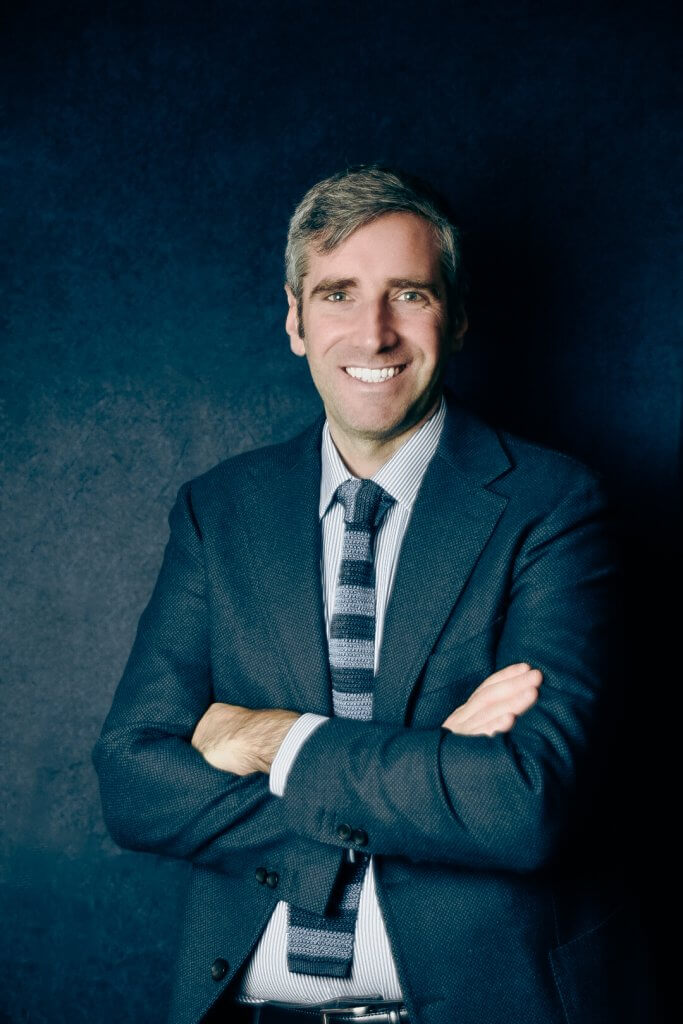
Prof. Vincenzo D’Antò received his Degree in Dentistry, a Specialty in Orthodontics, a Master in Temporomandibular Disorders and a Master in Lingual Orthodontics from the University of Naples Federico II; and a Specialty in Pediatric Dentistry from the University of L’Aquila and a Master in Sleep Dentistry from University of Bologna. He completed a PhD in “Materials and Structures Engineering” and a second PhD in “Oral Sciences”.
In 2017, Dr. D’Antò received the Italian national scientific qualification as full professor of Oral Sciences and He is currently working as associate professor at the School of Orthodontics of University of Naples Federico II.
Dr. D’Antò is member of SIDO, EHASO, EOS, AAO, WFO and IADR, and the Past President of the Italian Society for Biomechanics (SIBOS). He authored more than 130 papers and has given oral presentations in more than 40 countries and at the international congresses of EOS, AAO, IADR, SIDO, EAS, DGKFO, DGAO, NVvO, SFOPA, HOD. He serves as associate editor of AJO-DO, PIO and OCR. Dr. D’Antò received the Robert Frank Award (2004, 2005, 2009) and the Hatton Award (2006) of IADR, the SIDO award, the EOS Houston Award (2012) and the Tiziano Baccetti Award (2016) and FEO award for the best paper (2025).
Transverse maxillary deficiency is a frequently underdiagnosed component of malocclusion in adolescent and adult patients, with significant implications for facial aesthetics, airway function, and overall orthodontic treatment outcomes. While clear aligner therapy has demonstrated growing efficacy across a broad spectrum of malocclusions, its inherent limitations in producing true skeletal expansion in non-growing patients have driven the integration of Miniscrew-Assisted Palatal Expansion (MAPE) as a complementary intervention.
This presentation examines the clinical outcomes and efficacy of combining MAPE with clear aligner therapy, with particular emphasis on the distinction between skeletal and dental expansion, patient selection criteria. treatment protocols, failures and troubleshooting.
Class II malocclusion represents one of the most prevalent dentofacial discrepancies encountered in orthodontic practice, affecting both skeletal and dental components across a wide range of patient ages. The advent of clear aligner therapy has expanded treatment possibilities beyond traditional fixed appliances, offering clinicians a versatile tool for managing Class II correction from the mixed dentition through adulthood.
This presentation reviews clinical outcomes and efficacy of aligner-based Class II treatment, highlighting key differences in therapeutic approach between growing and adult patients.
In non-growing patients, treatment goals shift toward dentoalveolar compensation, achieved through a combination of upper molar distalization, lower arch development, strategic use of Class II elastics and skeletal anchorage.
A thorough understanding of growth potential, biomechanical principles, adequate vertical control and patient-specific variables enables clinicians to optimize outcomes and minimize treatment duration across the full Class II spectrum.
Joerg Glockengiesser, Austria
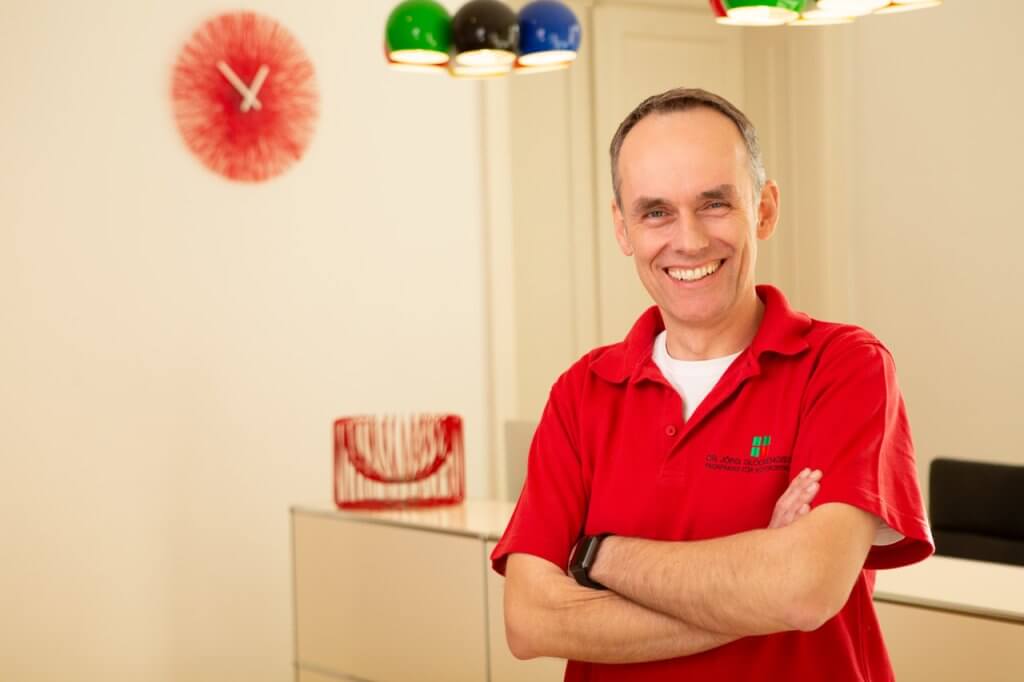
Jörg Glockengießer, a practicing orthodontist in Salzburg, Austria, completed his studies at the Philipps University in Marburg, Germany. In 2004, he opened his own practice in Salzburg, Austria.
In 2019, he was honored as an „Active Member“ of the Angle Society of Europe. Jörg Glockengießer has written several articles on the subject of space closure in the lower jaw achieved through the hemisection of primary molars and CAD/CAM technology in orthodontics. He also delivers lectures on various orthodontic topics both domestically and internationally.
Treatment options for space closure, with a focus on hemisection of primary molars.
Synopsis:
„What do I do if I have aplasia of one or both lower 5s?” Orthodontists face this issue all the time. There are many solutions in the books, but a simple yet effective technique is often overlooked. This technique involves cutting off the distal half of the deciduous molar. It’s a clean and elegant way to fix the classic problem of space closure. In this lecture, we’ll talk about the technique through case studies and explore when and when not to use it. You’ll learn how to handle your next mandibular 5 aplasia case with a different approach.
A new interpretation of the most reliable mandibular retention concept by Bjørn Zachrisson.
Synopsis:
Over 50 years ago, Bjørn Zachrisson pioneered the creation of the first lingual retainer for the mandible. Since then, this classic and most reliable concept has remained largely unchanged. However, advancements in CAD/CAM technology have enabled the production of a completely new type of retainer that offers enhanced precision and reliability, comparable to Bjørn Zachrisson’s classic design.
Morten Godtfredsen Laursen, Denmark
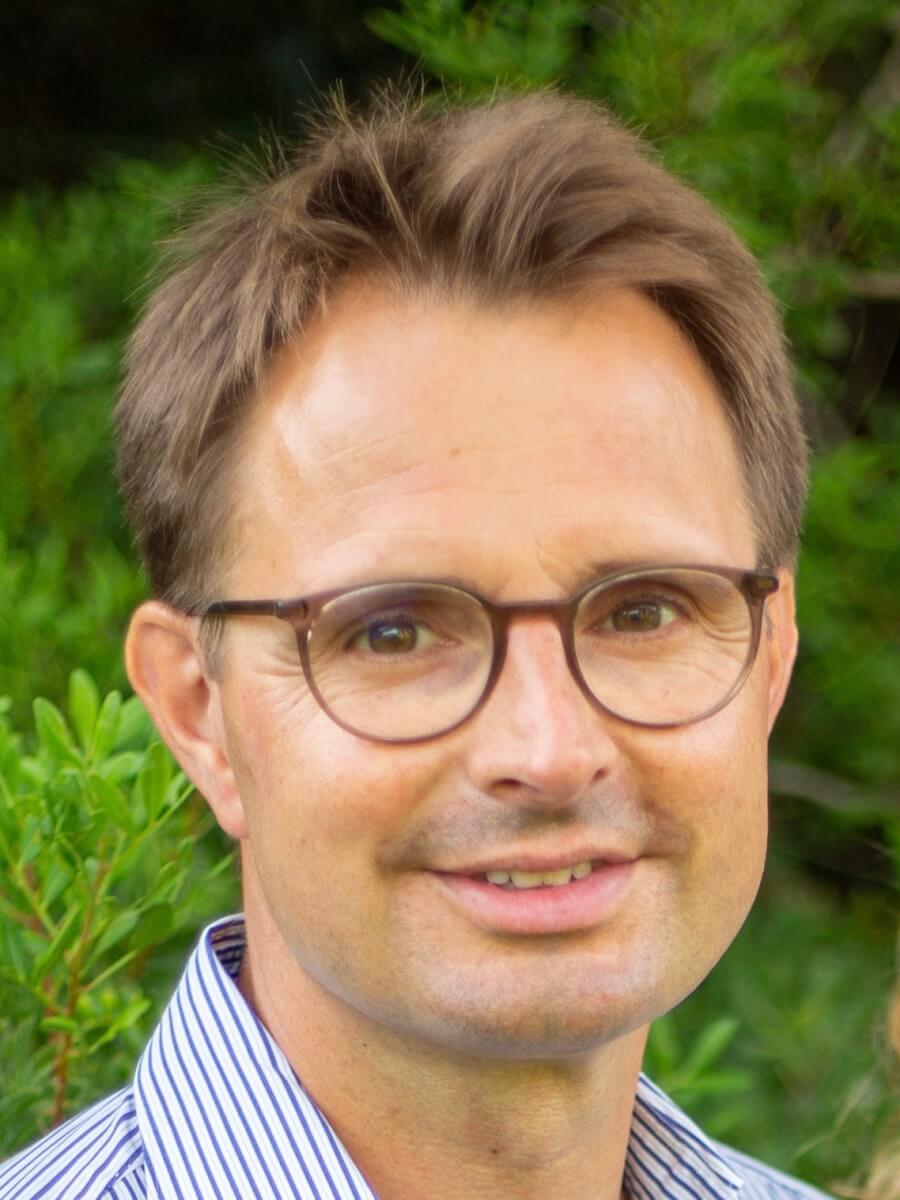
Morten G. Laursen received his DDS in 2001 and qualified as a specialist in orthodontics in 2007 from Aarhus University, Denmark. Since then, he has been employed part-time at the Section of Orthodontics at Aarhus University, where he is involved in teaching pre- and postgraduate students and serves as director of the International Short-Term Course in Orthodontics. He runs a private practice limited to orthodontics in Aarhus, Denmark. Dr. Laursen is Active Member of the Angle Society of Europe.
While novel and sophisticated techniques have expanded the possibilities for space closure, the congenital absence of lateral incisors and second premolars continue to present a clinical challenge – requiring careful case selection, strategic biomechanical planning, and treatment monitoring.
This lecture will explore the potential of orthodontic space closure in agenesis, with a focus on anchorage management to prevent incisor over-retraction. Central to this discussion is the game-changing role of temporary anchorage devices (TADs), which have redefined the limits of tooth movement – making movements such as absolute minimum and ultra-minimum anchorage a clinical possibility.
However, it may be essential to Mind the Gap and question: When and how should we close spaces in agenesis? And can we predictably achieve space closure without risking incisor over-retraction in everyday clinical practice?
“Tissue is the issue, but bone sets the tone.” Roots positioned outside the alveolar bony housing can result in gingival recession. Conversely, orthodontic tooth movement into the alveolar envelope can facilitate improvement of gingival conditions and enhance the prognosis of periodontal plastic surgery. The presentation will focus on treatment planning, biomechanical considerations, and appliance design relevant to the interdisciplinary management of gingival recession. Clinical cases will illustrate how orthodontic interventions, in close collaboration with a periodontal specialist, can effectively reposition displaced roots and contribute to the management of gingival recession.
Cesare Luzi, Italy
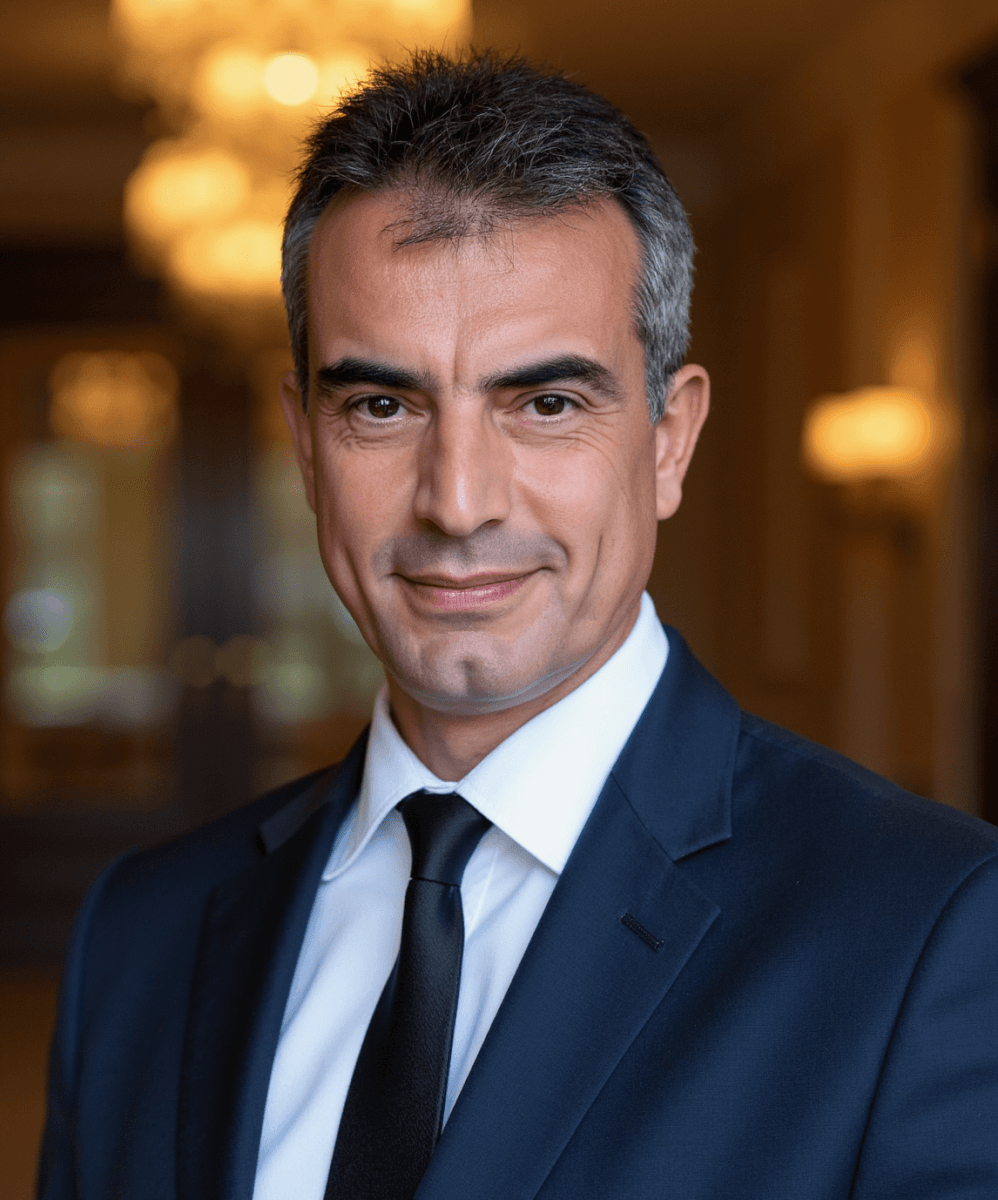
Dental degree at the University of Rome “La Sapienza”. Postgraduate education and Master of Science in Orthodontics at the University of Aarhus, Denmark. Founder and first President of the European Postgraduate Students Orthodontic Society (EPSOS). Past President of the Italian Society of Biomechanics (SIBOS), of the Italian Association of Specialists in Orthodontics (ASIO) 2018-19 and of the Italian Academy of Orthodontics (AIDOR) 2022. Active member of SIDO (Italian Society of Orthodontics).
Orthodontic extractions are common sense in daily clinical practice and their indication is a diagnosis-based procedure. Common extraction protocols generally involve premolars and only in particular cases other teeth, nevertheless restorative issues can induce uncommon extraction protocols in order to eventually sacrifice compromised teeth instead of sound ones. The extraction of hopeless first molars opens to two possible options: orthodontic space closure vs. prosthetic restoration of the edentulous site. When this scenario develops in young adults, the first option has several advantages compared to the second one. The presentation will focus on the benefits of orthodontic treatment following compromised molar extractions, involving space closure and recovery of the wisdom teeth into the final occlusion. Cost/benefit issues, biomechanics and potential problems will be highlighted and discussed.
TADs are a common tool in modern orthodontics and their use has been demonstrated to be clinically effective and extremely useful to treat several orthodontic daily challenges. Maxillary TADs have been associated to many treatment strategies including arch expansion, mesial and distal tooth movement, forced eruption of impacted teeth, vertical control and more, being used with specific protocols as anchorage both on the buccal and the palatal aspect of the maxillary bone. The mandible, on the contrary, is definitely less popular as a target of orthodontic TADs and generally not included in standard skeletal anchorage daily protocols. What is the reason for this? Why is the mandible the problem child? The lecture will analyse the use of TADs related to the lower jaw highlighting the positive and negative of the daily use of mandibular miniscrews.
Levente Szegedi, Hungary
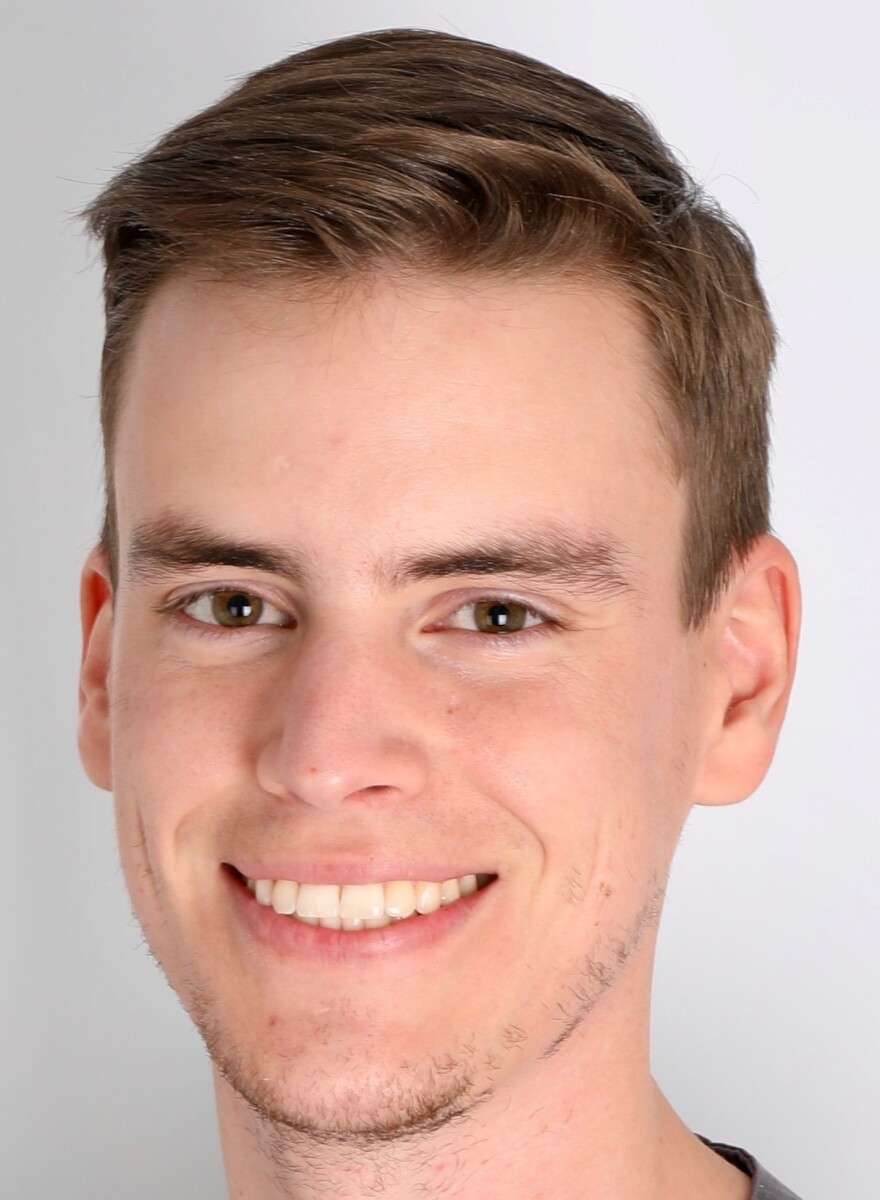
Dr. Levente Szegedi, a practicing orthodontist in Budapest, Hungary, graduated from Semmelweis University, Faculty of Dentistry (2011–2016), and has been working at the Department of Pediatric Dentistry and Orthodontics since 2016, first as a resident and, since 2019, as a certified specialist.
He has contributed to scientific publications and international congresses, with a focus on digital orthodontics, mini-implant techniques, and interdisciplinary treatments, and regularly delivers lectures and hands-on courses both in Hungary and abroad.
Distalization has become an increasingly important component of modern orthodontic treatment, particularly in non-extraction approaches for managing Class II malocclusions and space deficiencies. The primary rationale behind distalization appliances is to achieve posterior tooth movement with controlled biomechanics while reducing dependence on patient compliance.
The development of skeletal anchorage systems, especially temporary anchorage devices (TADs), has significantly expanded the possibilities of distalization. By providing stable anchorage, these systems allow for more predictable and efficient tooth movement. However, their clinical use is associated with several potential complications, including screw loosening, soft tissue inflammation, anatomical limitations, and patient-related factors, all of which must be carefully considered during treatment planning.
This presentation will compare distalization mechanics using infrazygomatic crest (IZC) anchorage and palatal-based approaches, focusing on their biomechanical principles, advantages, and limitations. Special attention will be given to differences in force vectors, clinical applicability, and side effects.
Distalization is a well-established method in orthodontics for managing sagittal discrepancies and crowding without extractions. The integration of skeletal anchorage systems, particularly temporary anchorage devices (TADs), has significantly improved the predictability of distalization mechanics by minimizing unwanted reciprocal effects. Nevertheless, their clinical application is associated with potential complications, including anchorage failure, anatomical limitations, and biomechanical side effects etc.
This presentation will compare different distalization mechanics (infrazygomatic crest (IZC) anchorage and palatal-based approaches), focusing on their biomechanical principles, advantages, and limitations.
Dirk Wiechmann, Germany
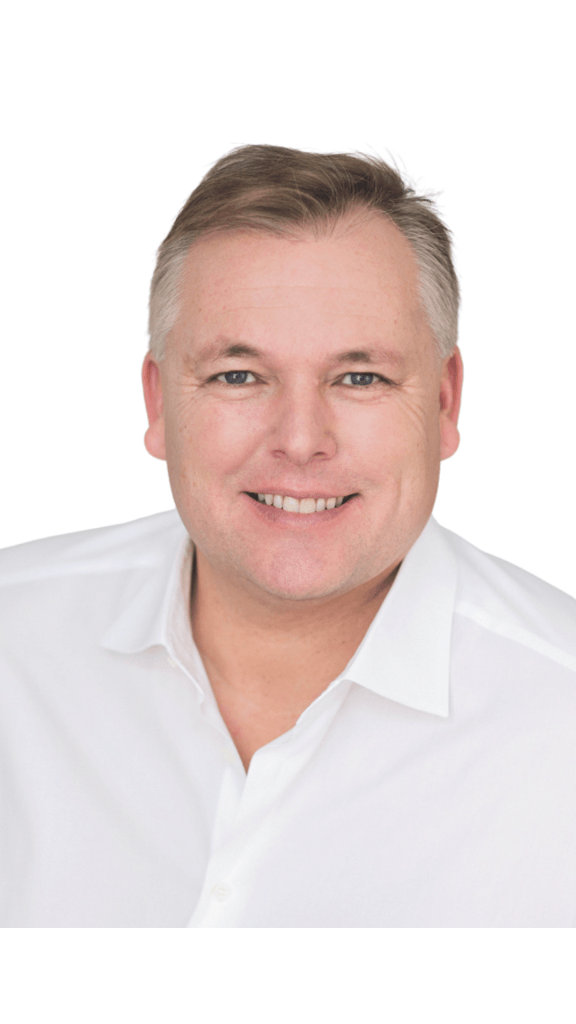
Prof. Wiechmann received the recognition as a specialist in orthodontics in 1997. He has been in private practice since 1998 in Bad Essen, Germany, which is actually the biggest lingual practice in the world with over 1000 lingual patients in active treatment.
In 2011 he received his Phd in orthodontics. Since his appointment in 2013 he is professor of orthodontics at the Hannover Medical School.
In 2016 he received the Doctor Honoris Causa from the University of Montpellier, France.
Since 2025 he is adjunct professor at the University of Bern.
Prof. Wiechmann received several prices and honours for his scientific work in the field of lingual orthodontics. Among them the Honorary price of the French Federation of Orthodontics.
In 2026 he is receiving the distinguished teacher award of the EOS
The focus of his scientific activity is lingual orthodontics.
Class II correction in non-growing patients is primarily the domain of fixed appliances, as bodily tooth movement is an essential prerequisite for achieving sagittal correction. Completely customized lingual appliances (CCLAs) have proven to be a game changer in this field, as they combine superior esthetics with high-quality treatment outcomes.
A treatment protocol for maxillary total arch distalization (MTAD) using interradicular miniscrews will be presented, which is both cost-effective and reliable. This protocol can be easily implemented in daily clinical practice and ensures excellent efficiency when used in combination with both lingual and labial fixed appliances.
Few treatment modalities in orthodontics have evolved as significantly over the past years and decades as Lingual Orthodontics (LO). Many of the often highly subjective statements made by colleagues who gained their experience with lingual appliances 20 years ago or even earlier no longer apply to the present situation. Critical discussion points such as patient comfort, bracket loss, finishing, and general clinical handling have lost much of their former significance over the years and can now largely be classified as “problems solved”. The extensive individualization of modern lingual appliances, both in treatment planning and in the actual manufacturing process, has opened up new possibilities not only for LO but for orthodontics as a whole.
Daniela Zaharia, Romania
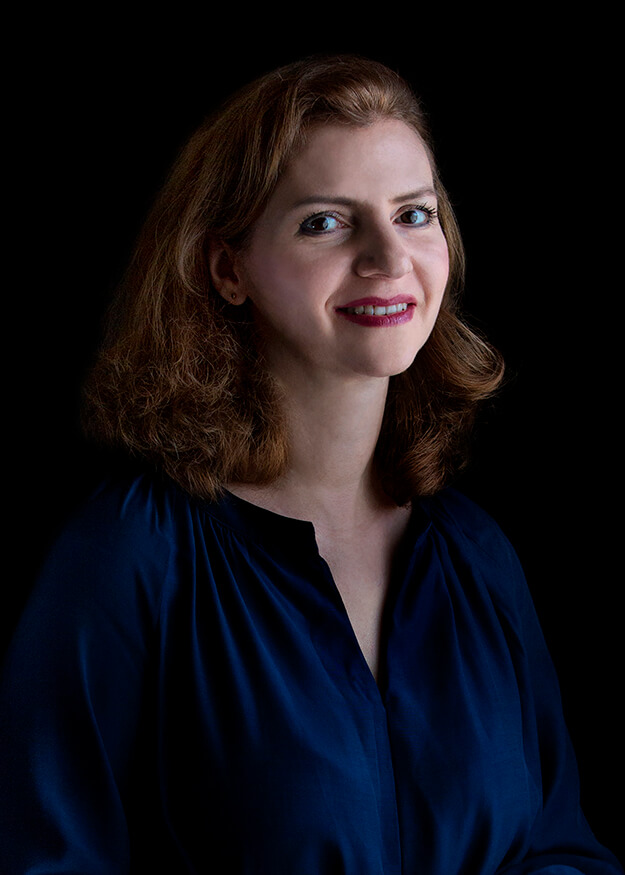
Dr. Zaharia graduated from UMF Carol Davila, Faculty of Dentistry in Bucharest, in 2002 and completed her orthodontic specialization at the same university in 2005. With over two decades of full-time clinical experience, she is an internationally active lecturer and has spoken at the AREO Congress, the European Program for Digital Orthodontics, and the International Orthodontic Symposium. Her clinical expertise focuses on digital orthodontics and temporary anchorage devices (TADs), particularly mini-implants.
The integration of digital technologies into orthodontics has significantly transformed both the planning and execution of treatments involving temporary anchorage devices (TADs). This lecture is structured in two complementary parts, addressing key aspects of contemporary digital workflows.
The first part, “Digital planning of TAD insertion: successes and pitfalls,” focuses on the clinician-driven planning process. Emphasis is placed on CBCT-based assessment, identification of optimal insertion sites, and the use of digital guides to enhance accuracy and safety. While digital tools offer increased precision and predictability, their limitations must be clearly understood.
The second part, “Digital era of orthodontic appliance design,” explores the evolution of appliance design within a fully digital environment. Digital workflows enable the creation of highly individualized, TAD-supported mechanics.
Overall, this lecture underlines that, despite increasing digitalization, responsibility for diagnosis, planning, and execution remains firmly with the orthodontist. Understanding both the capabilities and limitations of digital tools is essential for achieving predictable and efficient clinical outcomes.
David Zamora, Spain
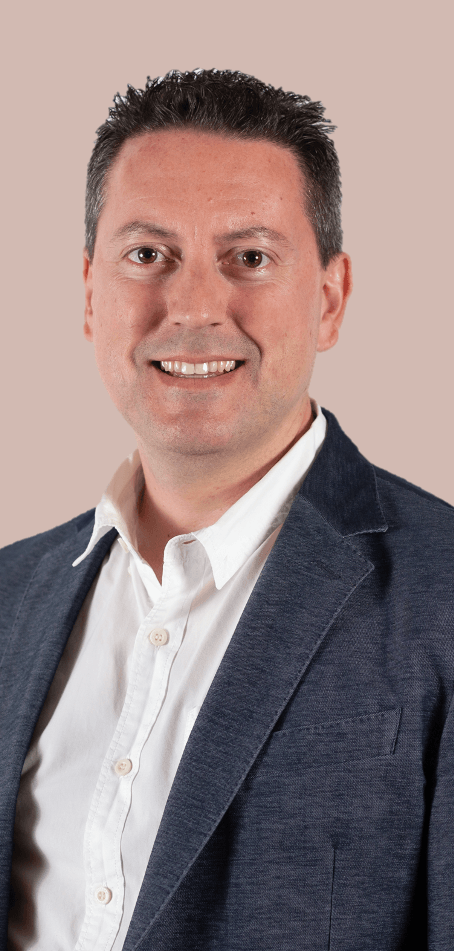
Dr. David González Zamora has balanced a professional career as an orthodontist, educator, and clinical advisor. He practices exclusively as an orthodontist at Clínica Smilodon, where he is the founder and medical director. He has taught at various Spanish universities to date, offering classes in postgraduate orthodontics. He regularly participates in courses and conferences worldwide, sharing his expertise in the field of digital orthodontics and establishing himself as an international authority. He currently serves on the advisory board of Angel Aligner, contributing to the improvement of clear aligner systems.
During the session, we will review the main clinical strategies for treating this malocclusion, taking into account key variables such as the patient’s age, the type of open bite (dental or skeletal), and the severity of the case. We will discuss how to adapt digital planning and treatment design to maximize the efficiency, predictability, and stability of the results.
Additionally, the session will delve into the specific clinical tools including the use of attachments, torque control, vertical management, movement staging, and refinement protocols. The characteristics of different aligner materials and their impact on biomechanics, patient comfort, and treatment adherence will also be addressed.
Finally, auxiliary techniques that can complement the use of aligners will be presented, such as intermaxillary elastics, micro-screws, myofunctional therapy, and other interdisciplinary strategies, with the aim of optimizing clinical results and reducing the risk of relapse.
Crossbite, beyond its dental or skeletal components, is a clinical manifestation of transverse imbalance that can influence orofacial development from an early age. In this lecture, we will review the diagnostic and therapeutic approach to crossbite in its various forms and developmental stages, from the primary and mixed dentition through adolescence and into adulthood. We will highlight the appropriate planning criteria for each growth phase and their impact on long-term stability.
We will analyze clinical cases treated with clear aligners as the sole tool for dentoalveolar expansion, as well as in combination with auxiliary techniques such as MARPE or orthognathic surgery in adult patients with severe skeletal discrepancies. The lecture will offer a practical, evidence-based approach to making effective therapeutic decisions tailored to each patient’s clinical and biological context.
Registration rates (in EUR, VAT included):
|
Early fee (9 April – 30 June) |
Regular fee (1 July – 8 Nov) |
Late & Onsite (9 Nov – 20 Nov) |
|
| LOS Members |
600 |
750 |
850 |
| LOS non-members |
800 |
950 |
1050 |
| Students/Residents |
400 |
550 |
650 |
Registration fee includes:
- Scientific lectures (20 – 21 Nov 2026)
- Coffee breaks and lunches
- Gala dinner (20 Nov 2026)
- Certificate of attendance
Ways of payment:
Online registration:
For group registration, please contact secretariat violeta@creativa.lt
For any questions regarding the registration procedure please contact us at violeta@creativa.lt
Refunds and cancellations, alterations
Any cancellation or alteration of your registration must be notified in writing to Conference secretariat by e-mail violeta@creativa.lt and will be subject to the following conditions:
Cancellation and refund policy
- Cancellations received by 30 June 2026 – full refund available with 10% administrative fee deducted.
- Cancellations received from 1 July 2026 until 1 August 2026 – 50% of paid registration fees will be refunded.
- Cancellations received from 2 August 2026 until 5 November 2026 – 70% of paid registration fees will be refunded.
- Registrations cancelled from 6 November 2026 will not be eligible for a refund.
For any questions regarding the registration procedure please contact us at violeta@creativa.lt
Grand Hotel Vilnius, Curio Collection by Hilton
Across from Cathedral Square, find hotel between the city center and Old Town, surrounded by shopping and entertainment. The Vilnius Cathedral and the Palace of the Grand Dukes of Lithuania are a short walk from the hotel.
Address:Universiteto str 14, Vilnius, LT-01122, Lithuania
Price per room per night including breakfast (EUR):
Superior kambarys – 170 EUR
Deluxe kambarys – 200 EUR
Guests can book their rooms using the LOS booking code by contacting hotel Reservations Department directly at reservations@curiocollectionvilnius.com
These rates are valid until 10 October. After this date, reservations will be confirmed upon availability.
—————
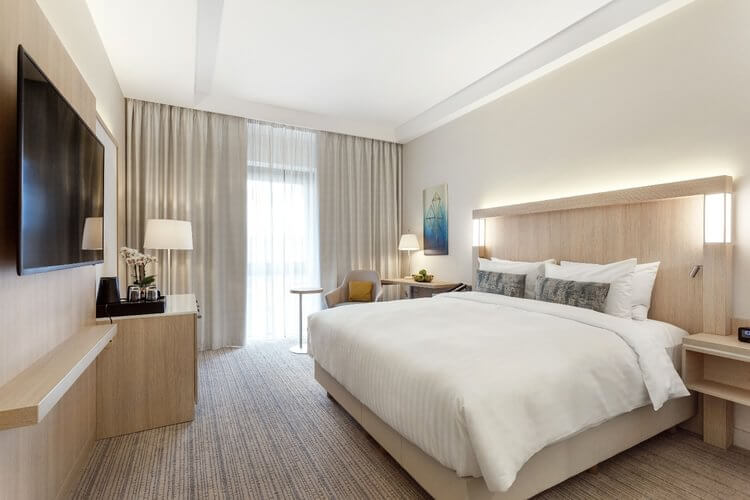
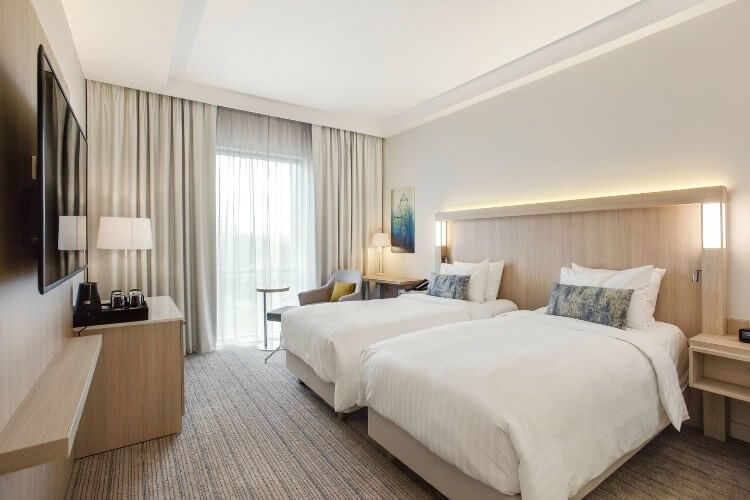
Courtyard Vilnius City Center (Venue hotel)
features 199 guestrooms, 5 conference rooms, and a restaurant with a terrace overlooking the city’s landmark Gediminas’ Tower. The biggest conference room can accommodate 140 delegates. The hotel aligns with Marriott’s sustainability strategy, which focuses on preserving and protecting the planet and its natural resources. The hotel is located in Vilnius’ growing business district and is surrounded by numerous IT and shared-service centres. The building is characterised by an exceptional contemporary design conceived by famous Lithuanian architect G. Natkevicius.
Address: Rinktinės g. 3, Vilnius 09234
Receive 10% off the Best Available Rate by using the discount code JUNGLE.
To make a reservation, please send your request to reservations@courtyardvilnius.com.
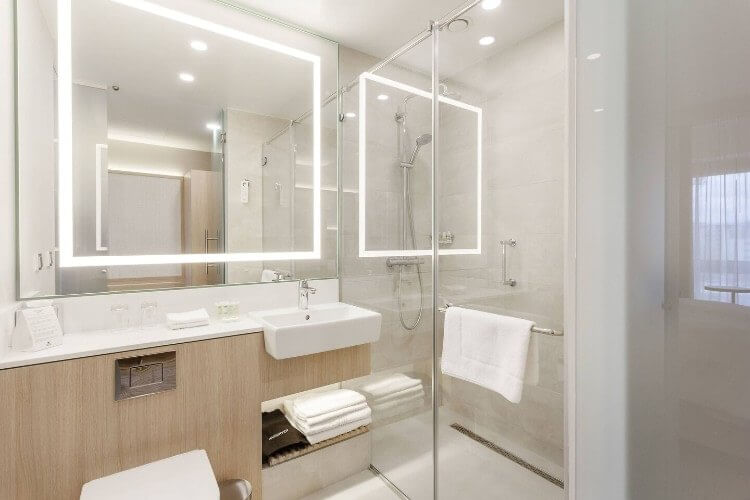
🔴 Important Venue Update
We would like to inform all participants that, due to the high level of interest in the conference, the venue has been changed.
Thank you for your understanding, and we look forward to welcoming you at the new location.
NEW VENUE: Grand Hotel Vilnius, Curio Collection by Hilton
Universiteto str 14, Vilnius, LT-01122, Lithuania






Supported by:

Conference Secretariat
Violeta Vitė | CREATIVA
violeta@creativa.lt
+37060378930
www.creativa.lt
Jungle party
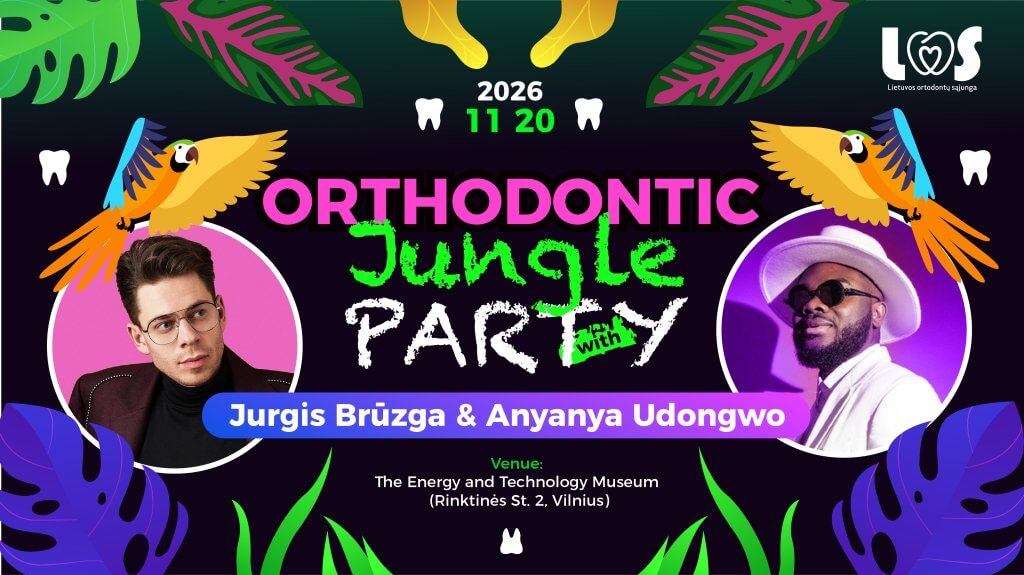
Venue: The Energy and Technology Museum (Rinktinės St. 2, Vilnius)
Date: 2026 11 20
Time: from 20:00
Vilnius, the enchanting capital of Lithuania. A peaceful city with a rebellious spirit. A place where medieval meets modern. Old church towers stand beside sleek glass buildings. Don’t be fooled by the locals’ modesty. If they say something is “not bad,” it might just change your life. If the food is called “fine,” you’d better make a reservation.
Discover Vilnius ->